The best team activity is not the most exciting one. It's the one nobody has to sit out. Before you book anything for your group, run it through a simple screen: can every single person on your team fully take part, no matter their diet, age, mobility, or feelings about forced fun? If the answer is no, it doesn't matter how fun the activity looks in the photos. Someone is going to spend the afternoon on the sidelines.
I'm Jonathan Porter. I host groups in Chicago most weeks of the year, and I've watched what includes people and what quietly leaves them out. Here's how to screen for the good kind.
The five things that leave people out
Most team activities fail on at least one of these. Check your idea against all five.
- Physical skill. Axe throwing, kayaking, and anything with a scoreboard sorts people into good and bad in front of their coworkers. The people who are "bad" remember it.
- Diet. If the whole activity is one fixed menu, your vegetarian, your gluten-free person, and your coworker with an allergy are stuck. Food should flex.
- Drinking. When the activity IS the bar, the people who don't drink (for any reason, and it's none of your business which) spend the afternoon holding a soda and feeling apart.
- Mobility and age. A three-hour walking marathon or a loud standing-room event quietly excludes anyone who can't do it. Range matters.
- The spotlight. Improv, karaoke, and "everyone go around and share" are a nightmare for introverts. Forced fun is the fastest way to make people wish they'd stayed at the hotel.
What passes the screen
The activities that include everyone tend to share a shape. The whole group does the same thing at the same easy pace, there's something to do with your hands so quiet people have cover, and food is involved so nobody's energy craters.
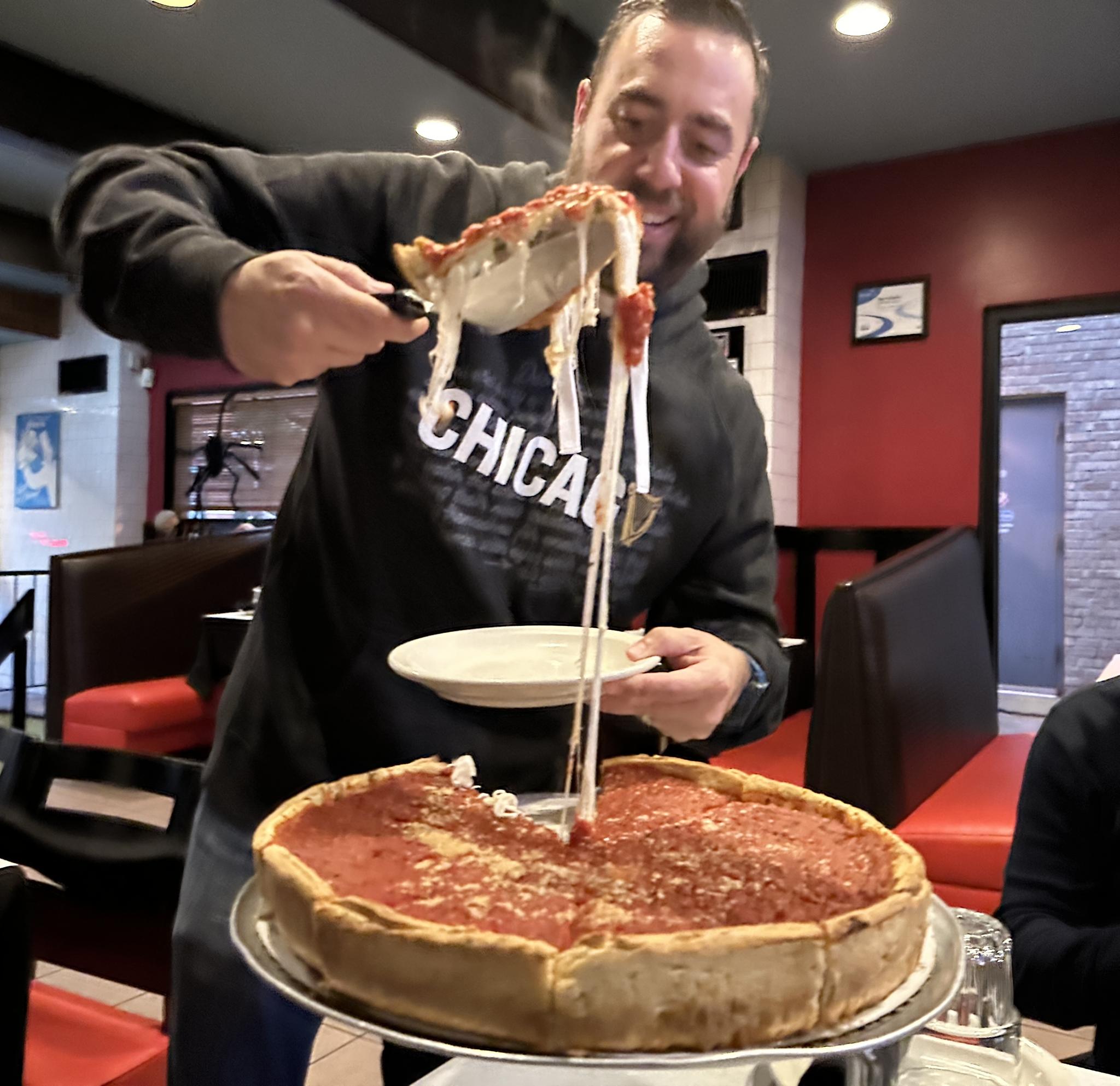
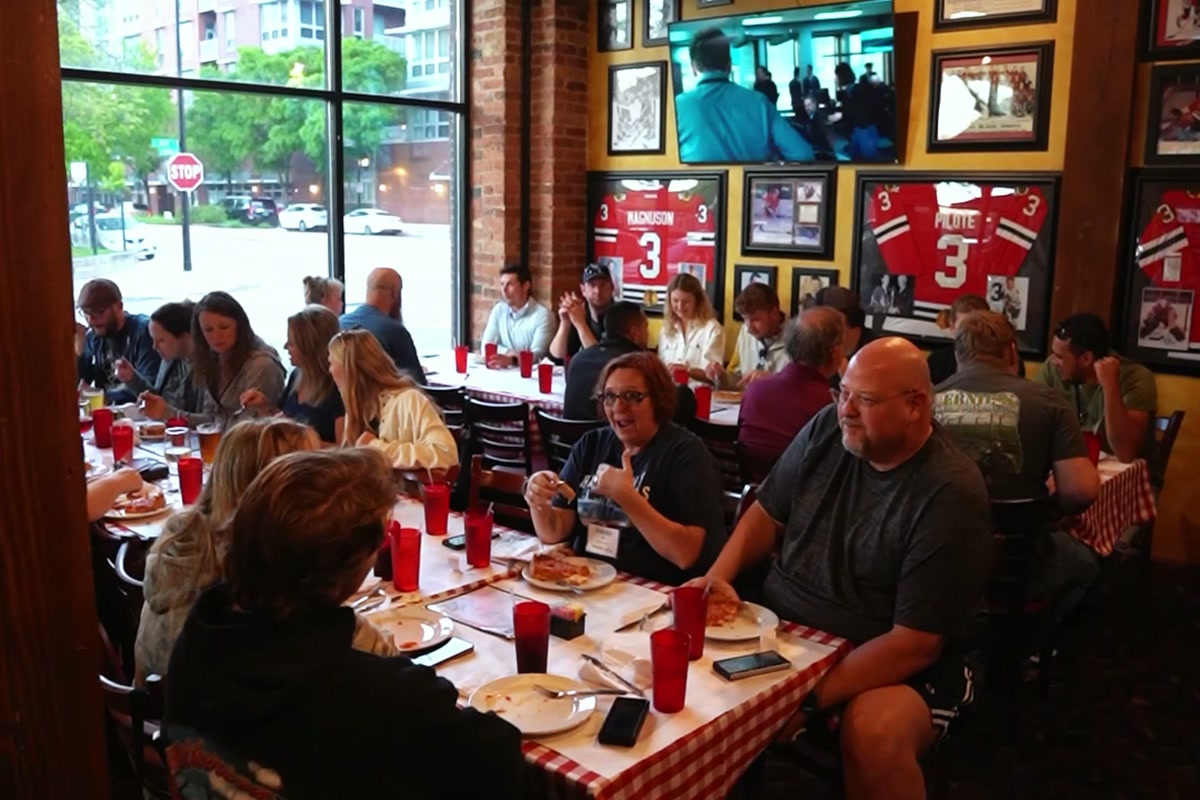
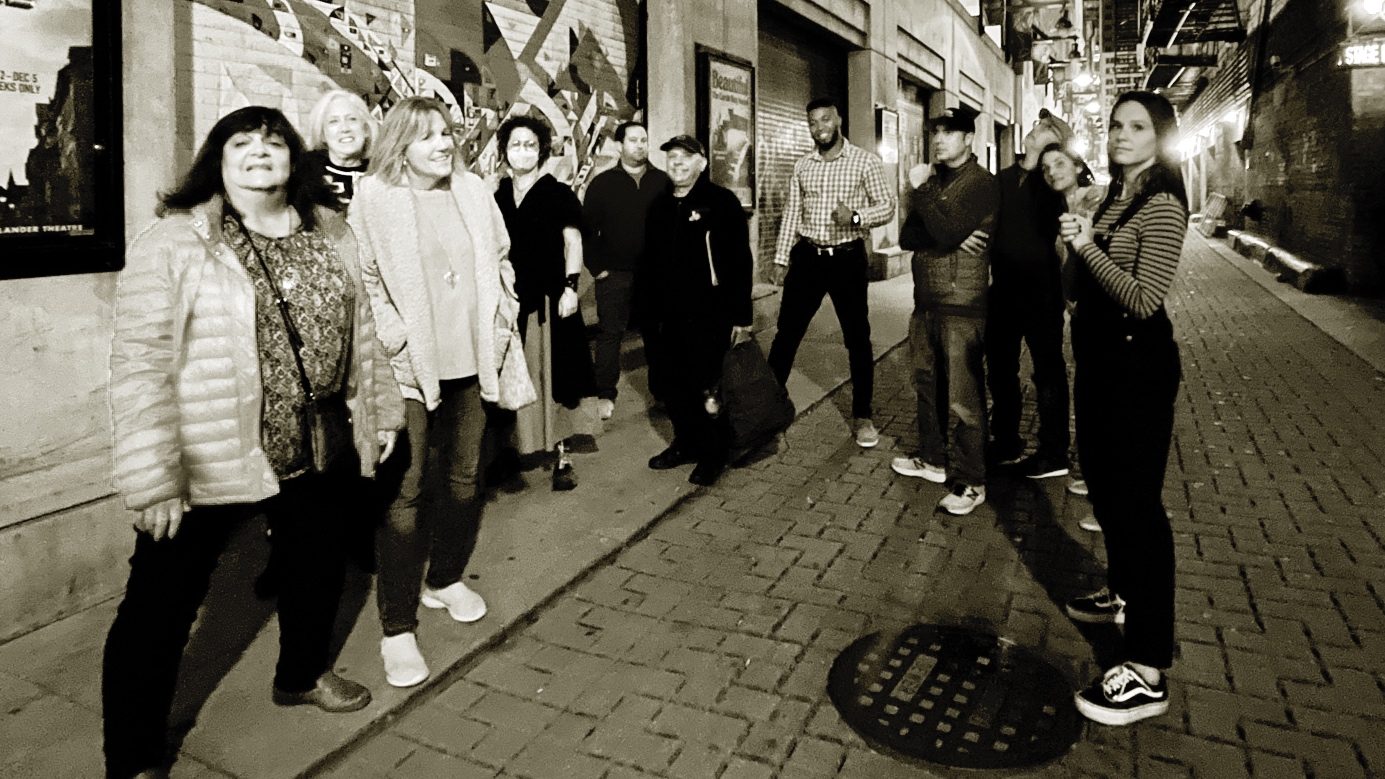
Gentle city tours pass. A good sit-down meal passes on food but fails on mixing (you only talk to your neighbors). A food or pizza tour passes cleanly, which is the honest reason I think it fits a mixed group so well. There's no skill to be bad at, the food flexes for every diet, the drinking is optional and off to the side, and the pace is a stroll, not a march.
The one question to ask before you book
When you call any activity provider, ask a single question: "How do you handle someone who can't eat what everyone else is eating?" The answer tells you everything. If they get specific (we arrange it in advance, here's how), they've thought about inclusion. If they get vague, your team will find out the hard way.
For what it's worth, on my tours the answer is that we sort dietary needs before the day starts, keep alcohol optional, and take groups of 15 to 100 at a pace anyone can manage.
Pick the one nobody sits out
If you want an afternoon where every person on your team is genuinely in it, reach out to plan a team outing or check available dates.
Common questions
One that needs no physical skill, feeds everyone including special diets, and does not center on drinking. Walking food tours, gentle city tours, and pizza tours fit, because the whole group does the same thing at the same easy pace.
Anything where the point is the experience, not the bar. A food or pizza tour keeps alcohol optional and off to the side, so the people who drink can and the people who don't never feel singled out.
Ask for restrictions when you book, not on the day. A good host arranges vegetarian, gluten free, and most other needs in advance so nobody arrives to a table with nothing they can eat.
Skip anything with a spotlight. Introverts relax when there is a built-in thing to do with their hands, like eating, and small groups to talk in, instead of a circle and an icebreaker.
Yes. It handles a wide range of ages, diets, and energy levels at once, which is why it works for groups of 15 to 100. Everyone eats, everyone walks a little, and no one has to be good at anything.